
A link building marketplace can change the way businesses approach off-page SEO. Instead of spending countless hours searching for publishers, contacting website owners, and comparing scattered information, marketers can explore publishing opportunities through a more organized process. But finding websites is only the beginning. The real challenge is identifying which publications deserve your attention and which ones are unlikely to contribute meaningful value.
For businesses competing in the United States, this distinction is particularly important. Whether you're running an ecommerce store, managing a digital agency, or promoting a specialized B2B service, the websites that reference your business can influence how potential customers discover your brand.
And here's something worth remembering: the most expensive backlink isn't necessarily the best one. Neither is the cheapest.
The right opportunity depends on relevance, editorial quality, audience, and the purpose of your campaign.
Why Traditional Link Building Can Become Complicated
Imagine you're an SEO manager responsible for five different clients.
One sells commercial construction equipment. Another provides accounting services. The third operates an online furniture store. The remaining two work in healthcare technology and business consulting.
Each company needs a completely different approach to publisher research.
You start searching for industry blogs, business magazines, and specialist publications. Then you investigate their SEO metrics, review existing content, and contact potential publishers.
Some never respond. Others have stopped accepting contributions. A few offer publishing opportunities but cover subjects unrelated to your clients.
After several days, you may have identified only a handful of suitable websites.
This is one reason businesses and agencies increasingly explore centralized platforms for discovering link building sites.
A well-organized marketplace can reduce the administrative burden of publisher research while making it easier to compare available opportunities.
However, convenience should never replace editorial judgment.
What Exactly Is a Link Building Marketplace?
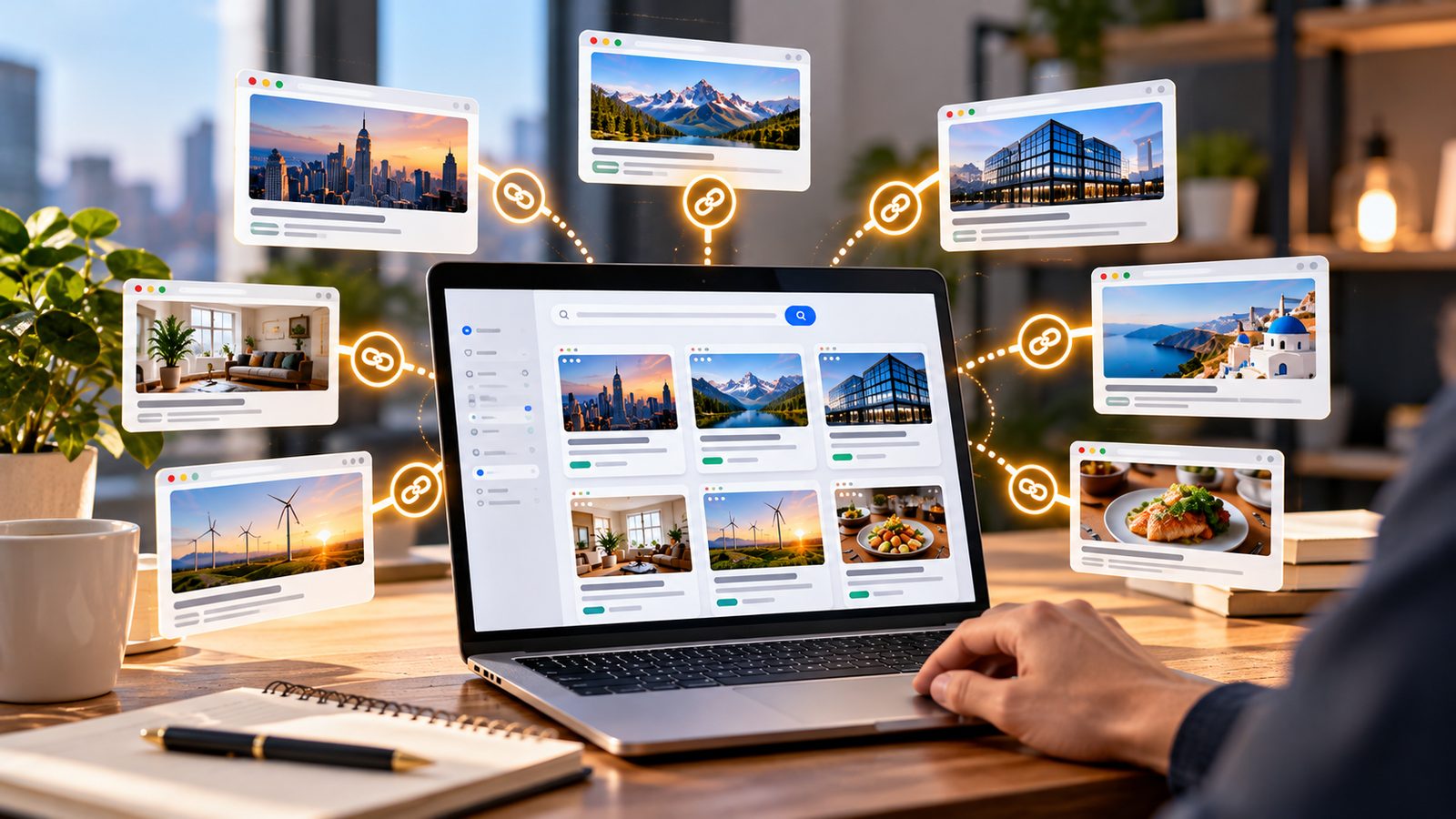
A link building marketplace is a platform that helps connect marketers with websites offering publishing or promotional opportunities.
Depending on the platform, users may be able to browse domains, examine SEO-related information, compare website categories, and arrange content placements.
The concept is straightforward.
Instead of researching every publisher independently, marketers can investigate multiple opportunities within one environment.
For example, a company targeting American customers might want to identify websites covering technology, finance, entrepreneurship, or professional services.
A marketplace can help organize the discovery process.
However, the availability of a website does not automatically make it a good SEO opportunity.
Some publications may have limited relevance, weak editorial standards, or audiences that don't match your business.
That's why the selection process matters just as much as the platform itself.
The Biggest Mistake: Choosing Websites by Authority Alone
Domain Authority and Domain Rating are among the most frequently discussed measurements in link building.
They can provide useful information about characteristics of a website's backlink profile.
But neither is a direct Google ranking factor.
Consider a company developing inventory management software for warehouses.
It discovers two potential publishing websites.
The first has an impressive authority score but primarily publishes articles about entertainment, fashion, and travel.
The second has more modest metrics but focuses on supply chain management, logistics technology, and warehouse operations.
Which publication makes more sense?
The second website may offer a stronger contextual opportunity because its content and audience directly relate to the company's products.
This is why the best backlink websites should be evaluated through several complementary factors rather than a single numerical score.
A website's subject matter, content quality, organic visibility, and audience can all influence its suitability.
How to Identify the Best Websites to Get Backlinks
The best websites to get backlinks are usually those that provide a natural environment for your content.
Start by asking what your customers read.
A company selling industrial safety equipment might investigate manufacturing publications, workplace safety magazines, and professional engineering resources.
A business offering commercial insurance could explore entrepreneurship websites, financial publications, and risk management blogs.
These websites already discuss topics connected to the business.
Next, examine their existing content.
Do articles answer meaningful questions? Are they informative? Does the publication maintain a consistent editorial identity?
A website publishing hundreds of unrelated promotional articles deserves closer inspection.
Finally, consider the potential audience.
A smaller specialist publication may reach more relevant readers than a large general-interest website.
The goal is not simply to acquire a link.
It's to create a connection between your business and an audience that may genuinely benefit from your expertise.
Why Organic Visibility Matters When Comparing Publishers
Search visibility can provide useful context when evaluating potential publishing websites.
A domain that consistently appears in search results for relevant industry queries may deserve attention.
However, estimated traffic numbers should not be interpreted without examining their sources.
Imagine two websites.
One receives substantial traffic from a few unrelated entertainment articles.
The other attracts a smaller but focused audience through specialized business searches.
For a B2B company, the second publication may offer greater relevance.
When researching backlinks sites, examine the keywords responsible for organic visibility.
Look for consistency between the website's editorial focus and the subjects attracting search traffic.
A publication that ranks for topics related to your industry may provide a more logical environment for relevant content.
Discovering US Publishing Opportunities With Bzoomer
The American market contains an enormous variety of specialist websites, regional publications, and professional resources.
Finding suitable opportunities manually can become demanding, particularly when managing multiple campaigns.
For marketers researching US domains, Bzoomer provides a domain exploration platform designed to help businesses discover and compare publishing websites.
Instead of starting with a generic backlink websites list, users can investigate available domains and consider which opportunities align with their campaigns.
This approach can be particularly useful for SEO agencies working across several industries.
For example, an agency managing clients in construction, software, and professional services can research publishing opportunities according to each client's needs.
However, every website should still be evaluated individually.
A marketplace can organize discovery, but it cannot guarantee rankings or replace a thoughtful content strategy.
The Difference Between Buying a Placement and Building Real Visibility
A backlink placement and a meaningful editorial reference are not necessarily the same thing.
Imagine publishing an article about reducing energy consumption in commercial buildings.
The article explains insulation materials, energy monitoring systems, and maintenance practices.
A contextual reference to a detailed energy management resource could help readers understand the subject.
Now imagine inserting an unrelated commercial link into the same article.
The second reference provides little informational value.
This distinction matters because the purpose of content should extend beyond accommodating backlinks.
The strongest publishing opportunities connect useful information with relevant audiences.
A link building marketplace can help identify potential websites, but the surrounding article and destination page determine whether the reference makes sense.
Paid advertising and sponsored placements should also use appropriate link attributes, such as rel="sponsored" or rel="nofollow", in accordance with Google's policies.
How to Build a Better Link-Building Campaign
A productive campaign begins with clear objectives.
Before selecting websites, identify the pages you want potential customers to discover.
Perhaps you have an original industry report, a detailed educational guide, or a service page explaining a specialized solution.
Next, determine which publications might reasonably discuss those subjects.
For example, a company providing commercial cleaning equipment could investigate facility management publications, hospitality websites, and industrial maintenance resources.
Then develop content ideas that address questions relevant to those audiences.
An article about reducing maintenance costs in commercial facilities might naturally reference a useful equipment maintenance guide.
This creates a logical relationship between the publisher, the article, and the destination page.
When evaluating backlink building sites, consider the entire reader experience rather than the backlink alone.
Can a Link Building Marketplace Support AI Search Visibility?
AI-powered search experiences are changing how people research products and services.
Instead of entering short keywords, users increasingly ask detailed questions.
For example:
"What should a growing ecommerce business consider when choosing warehouse management software?"
AI systems may retrieve information from webpages and combine relevant details into generated answers.
Businesses publishing clear explanations, original insights, and useful educational resources can create additional opportunities for discovery.
Relevant third-party publications may also contribute to broader brand recognition.
However, backlinks do not guarantee that a company will appear in ChatGPT, Google AI Overviews, or other AI-generated answers.
A stronger approach combines informative content, consistent brand information, technical accessibility, and legitimate editorial exposure.
A link building marketplace can support publisher discovery, but it should be part of a broader strategy rather than treated as a shortcut to AI recommendations.
Common Mistakes When Using a Link Building Marketplace
One frequent mistake is selecting websites exclusively because their placements are inexpensive.
Another is relying entirely on authority metrics without examining the publication's content.
Some marketers also publish repetitive articles across unrelated websites.
Others repeatedly use exact-match commercial anchor text, creating unnatural linking patterns.
A further mistake is directing every backlink to a homepage when a more informative resource would better serve readers.
Finally, businesses should understand the distinction between legitimate editorial references and paid links intended to manipulate rankings.
Google's spam policies prohibit buying or selling links that pass ranking credit for ranking manipulation.
Sponsored or advertising links should use appropriate attributes.
The strongest campaigns prioritize relevant content, suitable audiences, and realistic expectations.
Frequently Asked Questions About Link Building Marketplaces
What is a link building marketplace?
A link building marketplace is an online platform that helps marketers discover websites offering publishing opportunities, compare potential publishers, and organize link-building activities.
How does a link building marketplace work?
Users typically explore available websites, review relevant information, select suitable publishing opportunities, and arrange content placements according to the platform's process.
What are the best backlink sites for SEO?
The best backlink sites are credible publications with relevant content, appropriate audiences, and consistent editorial standards. The ideal choices depend on your industry and target market.
Can I find US backlink websites through a marketplace?
Yes. Some platforms specialize in particular geographic markets or allow users to explore publishing opportunities across different countries, including the United States.
Is a backlink marketplace suitable for SEO agencies?
Yes. Centralized publisher discovery can simplify research and help agencies compare opportunities across multiple client campaigns.
Are paid backlinks allowed by Google?
Paid advertising and sponsored links should use appropriate attributes, such as rel="sponsored" or rel="nofollow". Buying links that pass ranking credit to manipulate search results violates Google's spam policies.
Can link building improve AI search visibility?
Relevant editorial mentions and informative content may contribute to broader brand discovery, but backlinks do not guarantee citations or recommendations in AI-generated answers.
Final Thoughts: Better Discovery Leads to Better Decisions
Finding suitable publishing websites is an important part of effective off-page SEO.
A link building marketplace can make the discovery process more organized, particularly for businesses and agencies managing campaigns across competitive markets.
However, the value of any opportunity depends on more than its availability.
Topical relevance, editorial quality, audience suitability, and useful content should guide every decision.
Businesses that approach link building with these priorities can create more meaningful online connections, strengthen brand recognition, and support long-term organic visibility.
The objective isn't simply to find websites that accept backlinks.
It's to identify publications where your business genuinely belongs.